Community News

Welcome to the Postural Restoration Community! This is where you will read the latest industry news, hear about upcoming events, find helpful deadline reminders, and view a plethora of additional resources regarding our techniques and curriculum. The great part about it is--not only can you can view the entries we post, you can also post about the things that matter to you. Did you find an interesting article about a technique you learned in one of your courses? Do you have a patient case study you want to share with other professionals? Simply click "Submit an Entry" and follow the easy steps towards getting your information published in the PRI Community!

Select Date

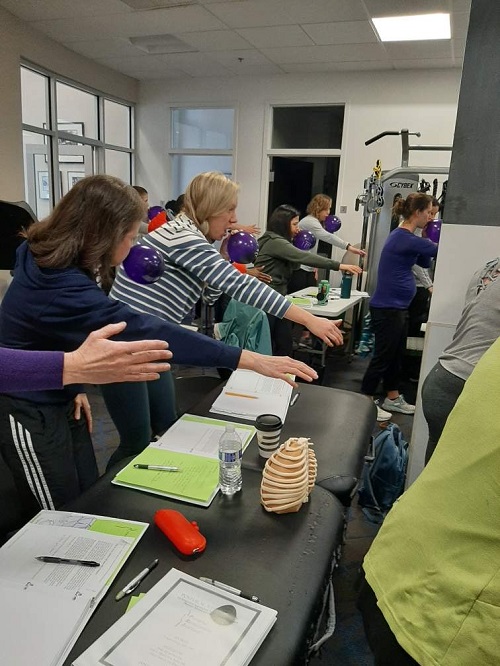
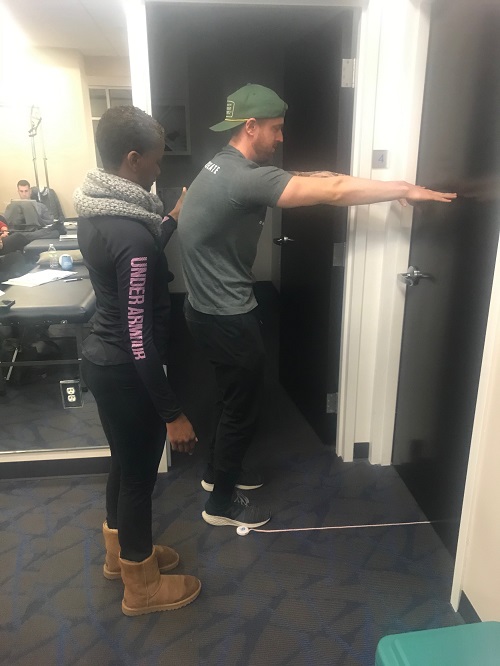
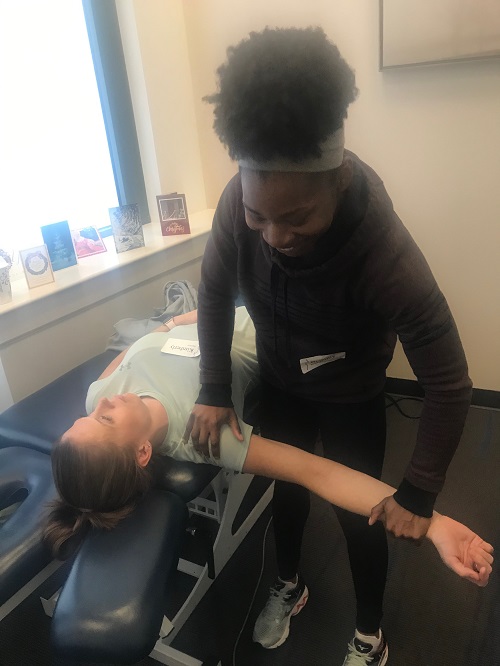
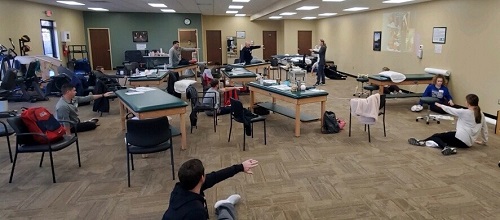
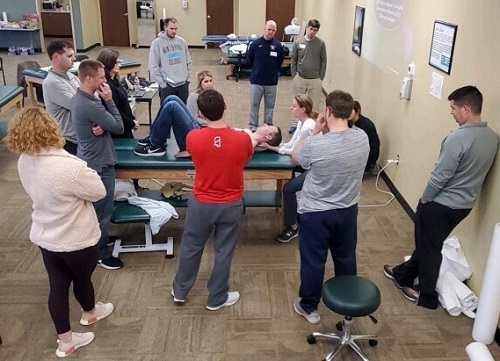
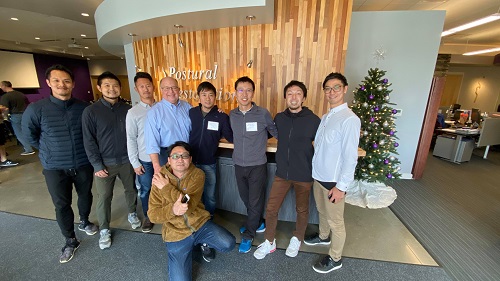
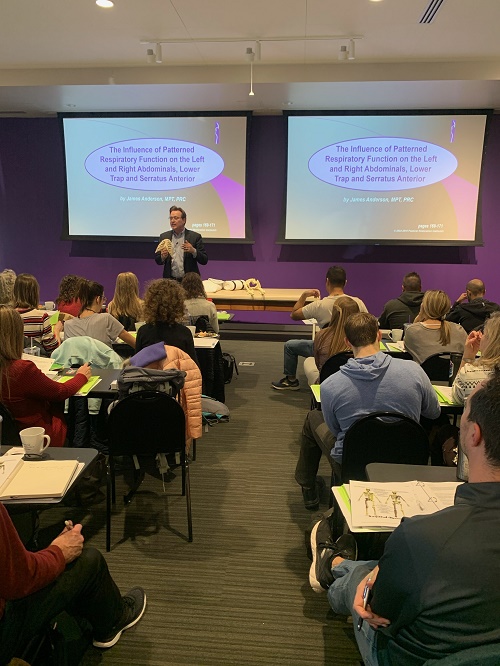
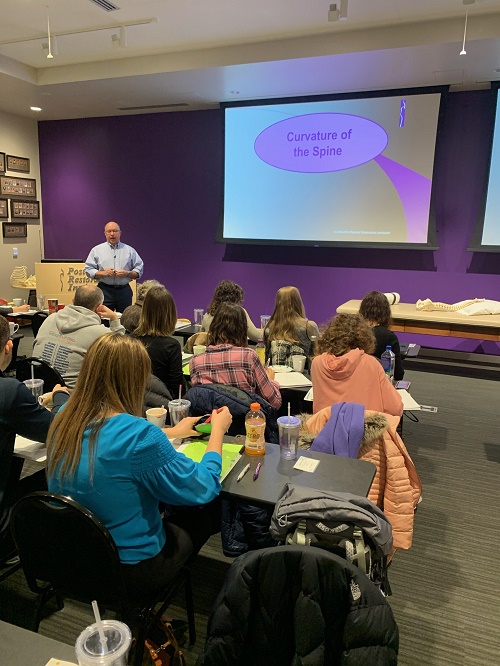
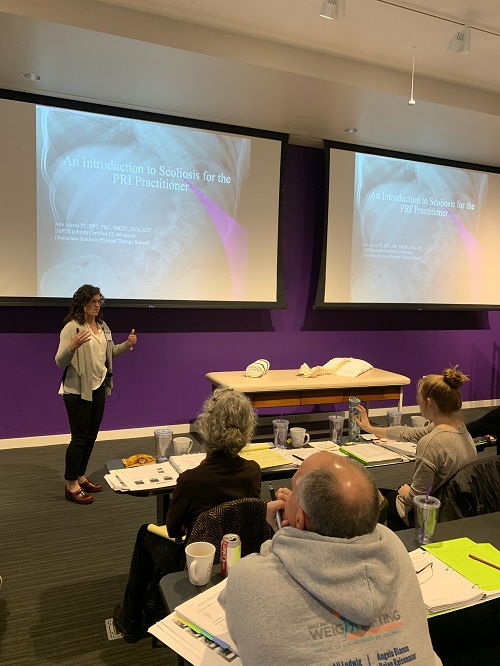
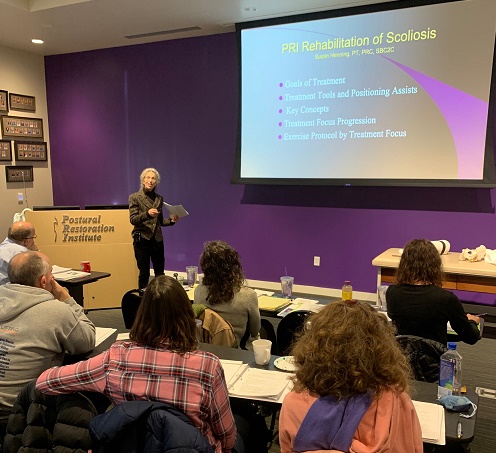
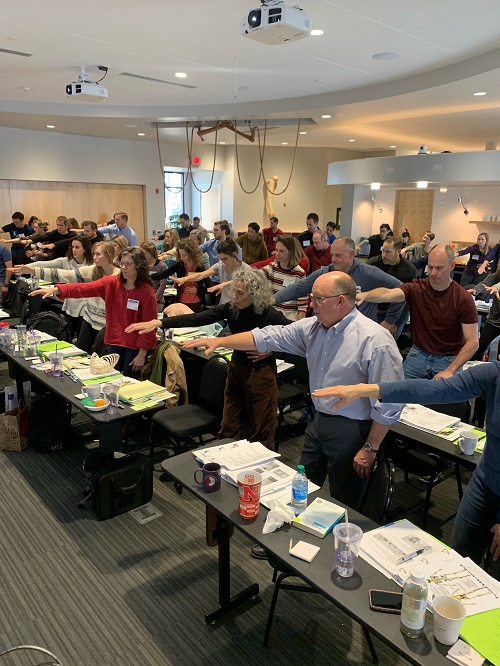
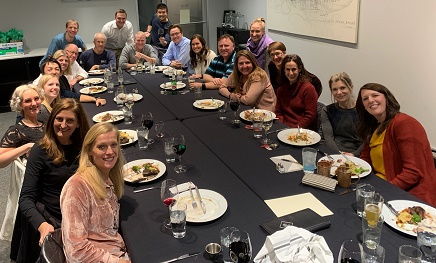
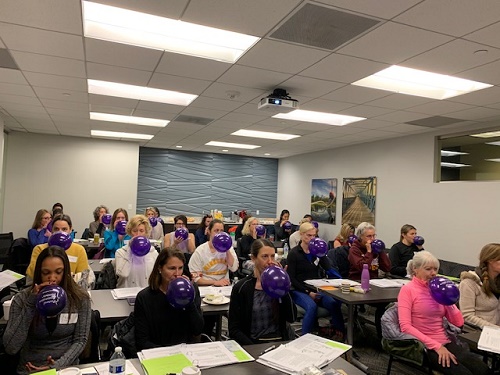
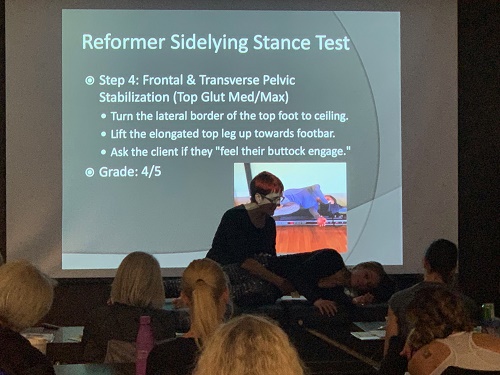
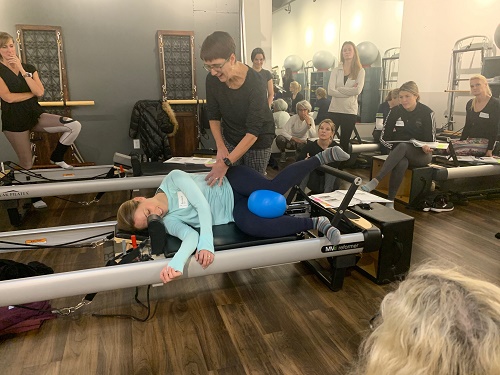
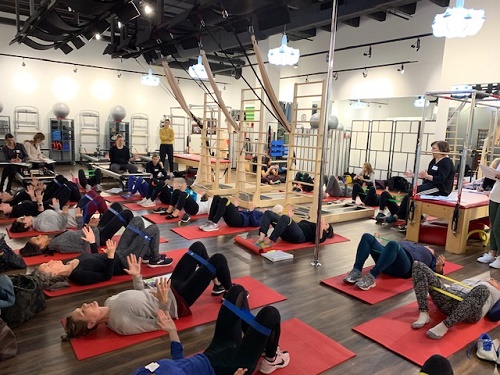
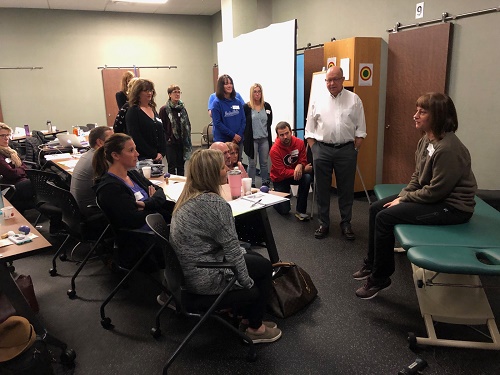
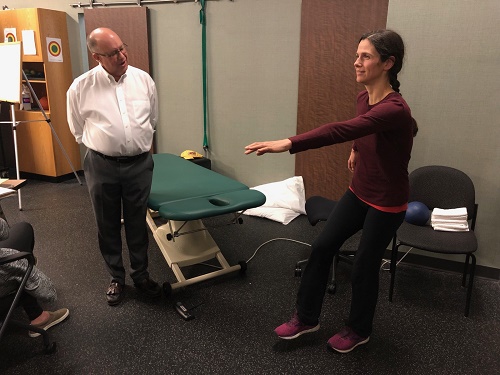
Thank you Forward Fitness (Mike) for hosting Pelvis Restoration this past weekend. Fourteen healthcare and fitness practitioners were attending their FIRST PRI course. Seasoned PRI course attendees were also present and helpful for our newbies. I am more convinced than ever getting a sound foundation and understanding of the three primary PRI courses helps us the most clinically to assist our patients, athletes and clients.

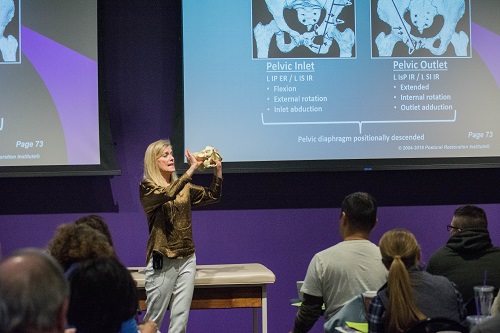
Appreciation of PRI objective tests and how they demonstrate PRI neutrality, need for clinical inhibition of muscle, frontal plane integration, and restoring the human gait pattern for a reciprocal and alternating pelvis were capitalized this past weekend. Most importantly, hitting home how the respiratory and pelvic diaphragm and synchronization of the left and the right side for integration of all the above to occur.

I truly appreciate all that attended and sacrificed a weekend away from family and friends to learn. It was a beautiful fall weekend, but we rocked it inside learning and developing our skills.

A shout out to Jon, Tim, and Nancy who brought treatment tables. Nancy Hammond my amazing lab assistant, your passion for PRI is inspiring. Again, thank you Mike for hosting your first PRI course. It was truly humbling to teach you all.

Lori Thomsen Pelvis Restoration St. Louis 2019 Postural Restoration Institute

Pelvis Restoration St. Louis 2019 Postural Restoration Institute

This past weekend, I visited one of my favorite places to teach PRI courses. The energy of  "the City that never sleeps" always seems to match the energy and enthusiasm for the science of PRI. This was my third trip back to New York to teach a class. On a personal note, it was great to bring my husband Chris and daughter Devon along again this weekend. We basically ate our way through the city and thankfully were able to walk most of what we indulged on off over the course of the 4 days! A friend and future PRT Kyle Langworthy’s brother Brandon Langworthy, DPT was attending his first PRI class. Brandon lives close to me in NC, so I look forward to seeing him again as well as the other attendees that were taking their first or second PRI course. I was also honored to be part of Kasey Aiken’s mentorship as she prepares to teach this course next year. I will let Kasey share her thoughts and experiences from the weekend. 

– Jen Poulin

From Kasey: "The class brought the energy from the city into the two full packed days of learning Myokinematic Restoration. With 80% of the class being their first PRI course ever, the questions and ability to learn and regurgitate the material was very impressive. We even had a DO that lives in Belgium fly over to learn the science of PRI. The combination of strength and conditioning specialists, PTs, and even PT students in the course is what keeps PRI applicable and beneficial to all different disciplines. They mastered exercises in lab to reposition the pelvis as well as strengthen the pelvis in the new neutral state. The attendees began to understand the correlation between the infamous Hruska ADDuction and ABDuction lift scores in regards to the gait cycle. Being able to tag team teaching with Jen Poulin was an absolute honor and appropriate considering she was the first faculty member to present Myokinematic Restoration to me several years back. A thanks to Brad Gillen, for assisting in lab, we couldn’t have done it without your help and expertise to hit home for such a large group of attendees."

“I have several cases I can apply this to already.”

“The course met the objectives to the full extent. Loved the course!”

“I am so glad I finally got to do a PRI course!”

“I learned a tremendous amount of information that my client base can benefit from.”

The physical therapy team of Charles George VA Medical Center hosted the most recent Postural Respiration course. This facility is considered among the top VA hospitals in the country, noted for its clinicians’ care and expertise. Surrounded by the splendor of the Blue Ridge Mountains, the 40 attendees, comprising PTs, OTs, PTAs, ATCs, DCs, and one student contemplated the asymmetrical diaphragm and its influence on pelvic-femoral and rib cage position and function. Movement starts with diaphragm, driving our lower half to one side while our upper half counter-rotates to the other. It’s a neurological concept, and it’s what allows humans to be adept at things like throwing a ball, dancing, and doing flips and twists mid-air. Rib cages come in all shapes and sizes, formed not just by genetics but also by the activities a person engages in, positions they hold themselves in, and his or her unique responses to physical and emotional stress. However, regardless of rib morphology, every cage is under the influence of a powerful diaphragm that pulls it to the right, driving predictable patterns of air flow and movement. When not countered, and if skewed too far for too long, the result is pain, rib deformity, poor physiology, shortness of breath, anxiety, etc.

Lab time was generous to allow proficiency in PRI techniques, both manual and non-manual, and objective tests that indicate an individual’s neurological patterning and presence of pathology. Attendees experienced the power and swiftness of PRI’s neurological techniques — inhibition and facilitation – to create changes to pathology-producing patterns. There isn’t a patient population out there that wouldn’t benefit from the PRI approach. Thank you to lab assistants Josh Owen, ATC, PRT, and Tracy-Lynn “I am SO ready to get my PRC” Schuster, DPT, whose guidance and clinical expertise provided clarity throughout the weekend. Great to see PRC clinics well-represented: Josh Olinick’s Steps for Recovery, Jen and Chris Poulin’s Sandhills Sports Performance, Advance PT, and Tracy Lynn’s Schuster Physical Therapy. Thank you to our avatars Debra Albrecht, PT; Nathan Crosby, DPT; Charles Fairbanks, PTA; Anthony Figuera, DPT; Linda Gutowski, DPT; Carl Heldman, DPT; Megan Humpal, PT; Caroline Lounsbury, ATC; Christiana Marron, DPT; and Pete West, DPT. Also thank you to our reader, Onyeamaechi Arinze, PT (my apologies again for botching your name all weekend. If we meet again, I’ll need to shorten it to “O”!). Finally, thank you so much to our hosts, who made the weekend go smoothly: Nathan, Anthony, Carol Harty, Deanna Mihok, Monica Sety, Keith Silcox, Pete, and Sharon Wisner. It was a pleasure to meet you all! Charles George VA will be hosting Pelvis Restoration in 2020. I highly recommend a visit to Asheville for this course. Be sure to treat yourself to a few days before or after the course to enjoy the gorgeous hikes and all that Asheville has to offer.

It was another great PRI weekend in Santa Barbara, CA. Thank you Peter for hosting this past weekend. The breakfast burritos and fruit and your hospitality were amazing. The theme of the weekend was applying the science and concepts of PRI at the pelvis with patients with simplicity. Understanding these concepts and tests assist with making PRI non-manual techniques much easier with better patient outcomes. It was a great group of practitioners with a passion for PRI and learning. Many were attending their 3rd or 4th PRI course and we had three newbies in the group. Thank you for a wonderful weekend. I was humbled to be your "coach" for the weekend.
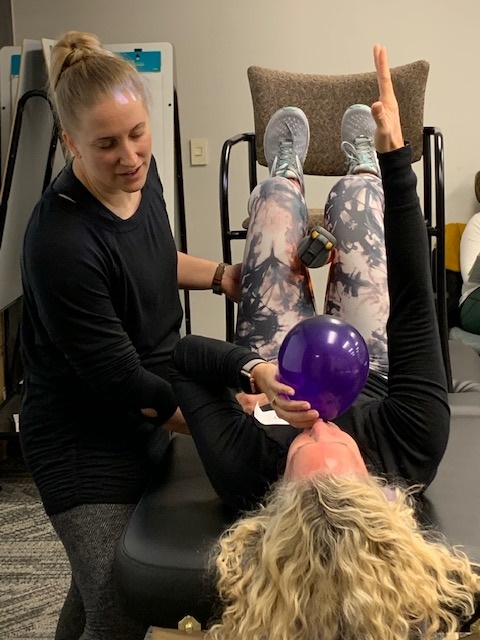
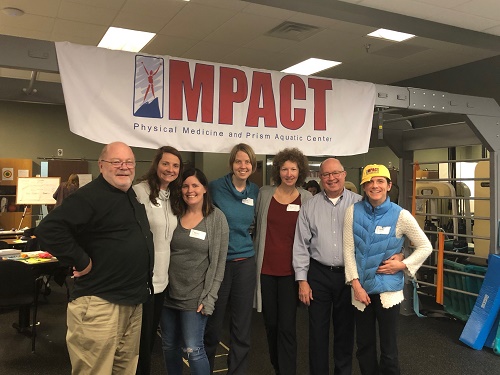
Rosencutter Ultra Fitness, also known as Rosen-Cutting Edge Fitness, was the location of their second hosted PRI course this past weekend. Nick Rosencutter is always looking for a way to help his clients improve whether it is thru strength and conditioning, nutrition, the latest in soft tissue workand especially PRI as it applies to performance and rehabilitation. Rosencutter Ultra Fitness had six of their trainers in attendance including Nick and they have a team approach integrating PRI into client programming. Position prep is part of their programming to provide sense awareness for neutrality before, during and after workouts. We discussed this weekend that PRI loves extension for power and performance–we just don’t want you to stay in extension. Equally, and perhaps more important, is the issue of rest and neutrality via flexing into neutral with adequate rib internal rotation.
The job of strength and conditioning professionals is to help clients and athletes become stronger, faster, more skilled at movement and especially durable whether you are a grandmother picking up grand kids or an olympic speed skater. Since this class was attended by so many strength and conditioning individuals, the issue of "saggitalization" was explored as well as the ability or inability to maintain or achieve competent transverse plane-ability in rotational sports. Since all sports require rotation for power and performance, the ability to orient a pelvis fully left and right then have adequate and full counter rotation of a ribcage is a must for what is known as separation of torso and pelvis.

Testing and non-manual techniques are always "ah ha" moments as they relate to position pelvis, femur, ribcage, scapulae and even neck. What is driving these positions in this course and the best answer when a student is called upon? The diaphragm of course! Manual techniques included the big three that we cover in Postural Respiration as well as a two person infra-clavicular pump that is often needed for a person that loves to stay in extension even after the best efforts via non-manual techniques to get them neutral. Also in attendance were physical therapists, a massage therapist and an ATC from Alaska who was travelling locally with the hockey team he works with. Shout out to Nick and all of his staff for their support and enthusiasm this weekend.
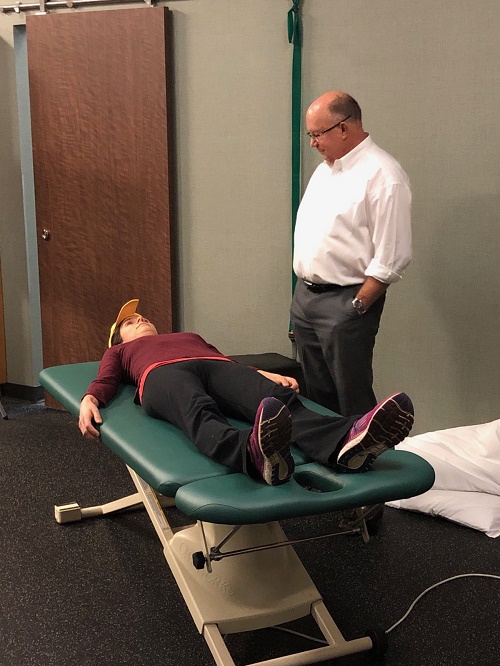
Jason Miller, PT, PRC, was our host for Myokinematic Restoration last weekend in Missoula, MT.  Jason has been using PRI for quite a while, and this was a great opportunity for Jason’s co-workers to get exposed to the science of PRI.  Nearly half the audience were from Jason’s facility, which will really assist those new to PRI in their journey.  It’s always easier to have co-workers along side for the ride.  My thanks to Marla, Seth, Samantha, Kristina, Kailey, Erika, Jessica, and Sydney, as well as Jason’s wife, Jill,  for their willingness to learn and ask great questions.  

Dan Houglum, Myokinematic Restoration, Postural Restoration Institute, Primary Course

It was a great group of movement professionals, and a nice mix of those new to PRI, and those who had been exposed to PRI previously.  We started the weekend talking about positional influences on femur position and performance, as well as why and how AF position directs FA performance. We proceeded into which muscles are available and unavailable while in the L AIC pattern. This introductory 5.5 hours of didactic information is the foundation upon which the rest of our weekend was built. And it will provide a solid foundation for those new to PRI to build from as well.  

Myokinematic Restoration - Postural Restoration Primary Course

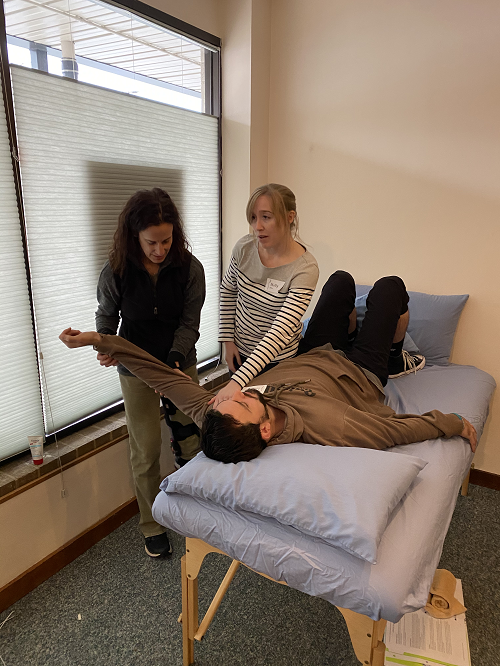
Once the groundwork had been laid, then we can start getting into the real value of PRI: getting off the right leg and onto the left leg correctly without compensation. The role the Hruska ADD and ABD tests play in that endeavor cannot be overstated. We were fortunate to have a lot of time to dedicate to these valuable tests. Additionally, we were able to experience, find, and feel inhibitory and faciliatory techniques, which allowed us to bring together both days of learning into a great time of lab.

Myokinematic Restoration - PRI Primary Course

We had a great crew of attendees. In addition to Missoula Bone & Joint group, I greatly appreciated Tim Cordial’s questions, Amy Downing’s help in lab, and Mandi Nystrom’s willingness to be our volunteer during demonstration.

Again, my thanks to Jason and his crew for a great weekend. Looking forward to the next trip to Missoula!
"Wow" was the word of the weekend at Cantrell Center for Physical Therapy, Sports Medicine and Wellness. This was one of the most enthusiastic groups this faculty member has observed with half of the attendees being new to PRI. In addition, The Cantrell Center had half of the total number of students in attendance which made this a real team effort for their facility and created a stronger culture of PRI for their facility. What I loved about this group was the balance of great questions and re-states from every one of the new students as well as the "veterans". There were two PRC’s, including lab assistant Ken Smith, who stated what we all experience attending a PRI course-no matter how many courses we have had is that there is always more to absorb and learn!

Cantrell Center Exercise Physiologist "Gentle" Giant Jalen Lawrence asked some great questions on how to apply PRI to power lifting and being able to learn how to better "axial load" when lifting. This was one of the most important questions for his athletes. In addition, we discussed that PRI loves extension for performance. We just don’t want to live there all the time and that flexing and internally rotating ribs is needed to down-regulate a system and help restore autonomic balance. HRV or heart rate variability was discussed in the context of Postural Respiration concepts. Autonomic function with parasympathetic inhibition upon inhalation vs. parasympathetic facilitation upon exhalation was discussed as a needed balance for HRV. Since breathing is such a common dysfunction, considering most of our patients present in a hyper-inflated, neurologically extended state, understanding diaphragm function and airflow management is a critical issue. This is not only an issue with people that come into our clinics with pain and dysfunction. It is a performance/recovery issue as well. Shout out to Mehmet, Marion and Michael from Florida who asked great questions and brought great energy. Thank you to all in attendance for making my weekend flow so well with all of you especially the "Cantrell Gang" who can collaborate and apply PRI in a supportive setting. Ken Smith, PTA, PRC was golden as our lab assistant and his energy helped move all of us along. Finally, thank you Tassie Cantrell for such a beautiful facility, great food and wonderful staff that attended and helped all weekend with set-up and clean-up duties.

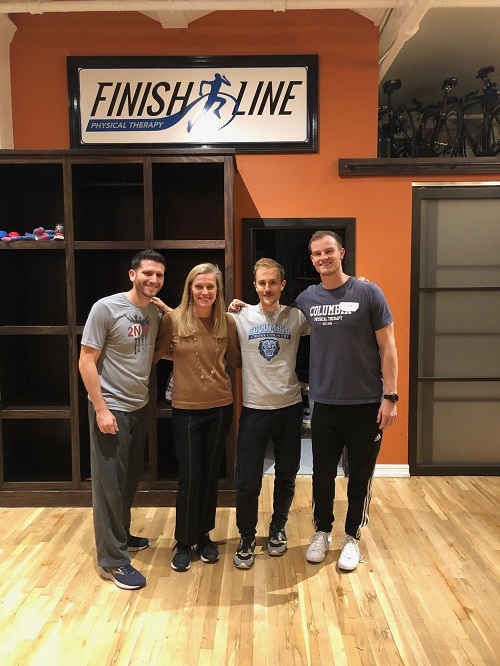
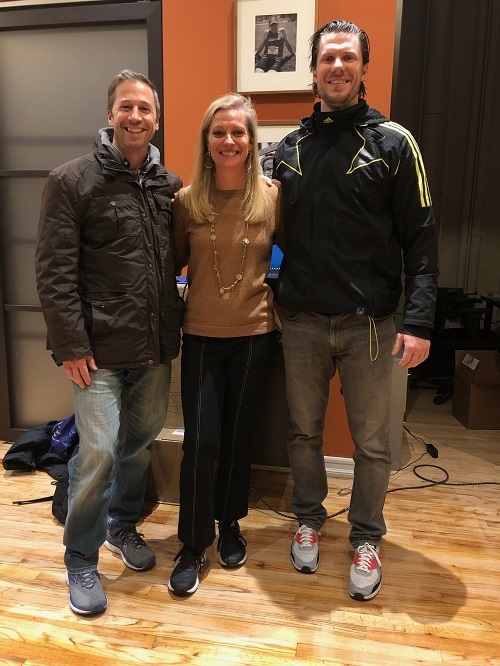
There is so much to consider when one focuses on the interplay between our autonomic nervous system, our somatic nervous system and our central nervous system. And, there is so much to get excited about when the interplay of these systems can be modified, re-integrated, re-oriented and re-calibrated through oscillation of novel conscious and un-conscious sensory afferentation. Our behavior, i.e. psychology of the conscious, revolves and resolves around fluctuation of brain lateralization, hemispheric specialization, dominance (subjective experience) as it relates to our brain’s individual unique asymmetrical and emotional processing. (page 31 of Cranial Resolution). According to the authors of ‘The Intersubjective Perspective’ (thank you Michael Zhao), focus on inter-related subjective experience unveils forms and patterns that conscious experience repetitively and unconsciously assumes over time (page 101). Therefore, our subjective experience of resolving conscious experience and patterns of behavior and biology through novel integration of these three nervous systems could generate “access to the underlying structures and organizing principles and patterns that unconsciously govern psychological life”. I absolutely love discussing behavior as it relates to evidence based autonomic research. The attendees at this course in NYC gravitated towards behavior as it relates to the limitation of subjective frames of interrelated and integrated nervous systems and their respective developed references. Thank you Borbala Suranyi for being my avatar! Thank all of you in attendance who asked poignant and clinical questions. The award to the one that asked the most insightful and driving questions that pushed us into wonderful engaging response from the entire group, goes to Jeff Eckhouse. Finally, thank you Alicia Ferriere and Finish Line for hosting another PRI course in NYC. I definitely feel at home when I am there.  

Cranial Resolution, New York City, Postural Restoration Institute

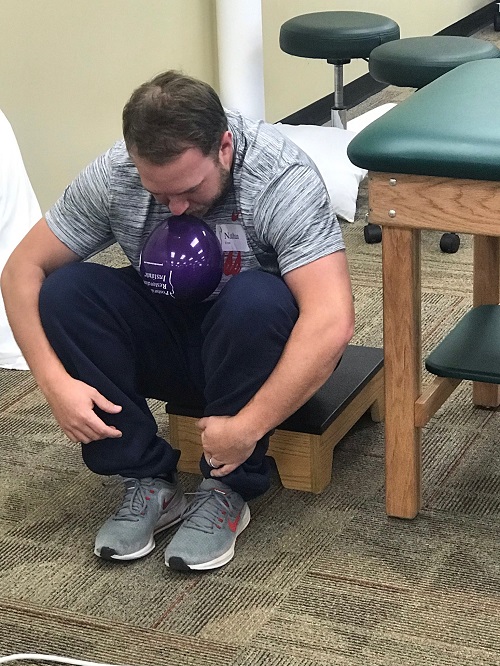
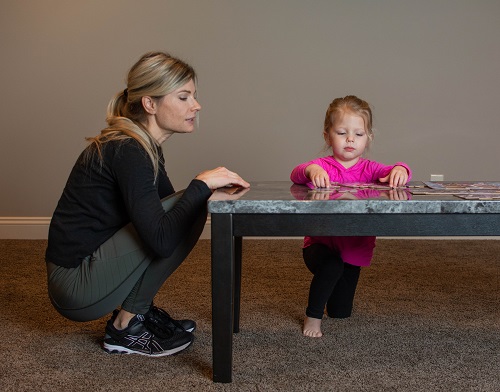
As we prepare for the first ever PRI Integration for Pediatrics course this October in Chapel Hill, NC it is hard not to be excited! Anyone who works with children on a daily basis knows how rewarding it can be. However, when it comes to getting them to exhale into a balloon, or squeeze a ball between their knees it can become challenging very quickly. Lisa Mangino, PT, DPT, PCS, C/NDT, PRC has spent countless hours considering the many ways PRI can be incorporated into a Pediatric setting, and through the creation of this particular Affiliate course we can all learn her intervention stragies which she applies to a younger population of patients.

Check out the video below for a sneak peak of some of the ways Lisa incorporates PRI into her practice!

And for more information about this course as well as the dates and locations it is being held, check out the PRI Integration for Pediatrics course page!

<iframe width="500" height="315" src="https://www.youtube.com/embed/vIS6VaR0nd4" frameborder="0" allow="accelerometer; autoplay; encrypted-media; gyroscope; picture-in-picture" allowfullscreen></iframe>

We are looking for a passionate highly motivated trainer and as well as a physical therapist looking to join an amazing team here at Premier Fitness Systems.  We have a state of the art 5,000 sqft studio located in North Scottsdale, AZ.  We have been in the game for 10 years and are always looking for new team members looking to grow their knowledge and become part of something great.  PFS has become one of the top golf fitness gym’s in the world as well as expanded into working with athletes from the MLB, UFC, NFL and a number of other sports.  Currently we are looking for another full time trainer/coach as well as a physical therapist looking to work with athletes of all ages, ready to take their knowledge to the next level, and someone who is going to bring something new to the table for our staff.  PRI has become an important part of our methodology and are looking for new team members that embrace it’s benefits for returning athletes and regular Joes to sport. Some of the certifications that we like to see: DNS, CSCS, FRC, PRI, TPI, Animal Flow, Ido Portal, FMS, and many others.  Please email Greg at trainpfs@gmail.com with your resume and we will get back to you if you’re a good candidate and take things from there. We are looking to hire in the next month FYI!!!

Check us out at www.premierfitnesssystems.com

Also check out our instagram pages@pfsgolf, @brandon_pfs, @ando_pfs, @parkercondit_pfs, @pfsfitness, @reedhrynewich_pfs, @utlimate_lady_badass

Those of you who have been around for a while now hopefully recognize the family nature surrounding our Institute. Our faculty are like family to us, our credentialed providers are a family and quite honestly all of you, #PRINation, are one big family.

Families support one another, in any way possible. It’s for that reason that we want to share with you the fight that one of our closest family member’s is currently battling. On June 3rd, faculty member Jesse Ham’s daughter, Jenna, was diagnosed with Acute Lymphoid Leukemia (ALL). She has spent much of the past two months at Sanford Children’s Hospital in Sioux Falls (5 hours from home). Jenna is a fighter and her faith is strong, as is the case for her entire family.

Please keep Jesse, Jenna and the entire Ham family in your thoughts and prayers. If you are interested in following Jenna’s story and her courageous fight with ALL, a Caringbridge page has been set up. In addition, a GoFundMe account has also been organized to help their family get through this battle which has presented several hurdles financially, if you feel the desire to help further.

Thank you #PRINation for being a part of our Institute’s family!

This image popped up on my "Facebook Memories" this morning, and it was perfect timing because I was planning to do a post this week with some tips for preparing your application for PRC or PRT credentialing. Eight years ago, I was practicing full time as a PT at the Hruska Clinic. I began taking courses when I was still in PT school, had an awesome clinical instructor Lori Thomsen for one of my final clinical rotations, and landed my dream job after graduation at the Hruska Clinic. I was surrounded by the best mentors ever, yet I must admit that I was a little scared at the thought of completing the PRC application and testing. However, having been on both sides (a scared and nervous applicant 8 years ago, and now the Director of Education and Credentialing running the show), I want to take a moment to share some tips and more information to ease your anxiety about the process.

Top 3 tips for preparing your PRC or PRT application:

1. Set aside larger chunks of time to work on your application.
When I first started my application, I was working on it for a couple hours at a time in the evening, or when I had a patient cancellation during the day. But, I found that by the time I would get my stuff out (all of my course binders, my case study patient charts, stacks of research articles, etc), and I mentally prepared myself to get started, I didn’t have much time to get actual work done on my application. Therefore, I found my groove when I set aside a full Saturday (which is what this picture is representing from 8 years ago). I set up a table to work, had all of my course manuals accessible and I got major work done! I did this a couple more days over the next couple months and finished the application. It isn’t too late to start on your application for this year, if you are able to dedicate a couple weekends to the process.

2. The review committee isn’t looking for perfection.

The application review is a peer-reviewed process (PRCs and PRTs). Each application is reviewed by two members of the review committee for which you are applying (either PRC or PRT), and their recommendations are provided for review by Ron and myself. Based on their feedback, we then determine if the applicant is prepared for testing, and the applicant then receives the reviewer’s feedback. None of us are perfect in what we do, and thus the review committee is not looking for perfection. Rather, they want to see your ‘thought process’ and ‘decision-making’ with the PRI concepts from the four pre-requisite courses displayed on paper throughout your application. Therefore, I would recommend that even if you look back at a case study or client program that you put together and think "wow, I would have totally not selected that technique now that I know more…." (that is fine), you can still use that case study, and at the end of your case study discussion, reflect on what you would do different now (and why….knowing what you know now, that you didn’t know then).

3. The application in itself is an educational experience.

I hear this often when people are here for PRC and PRT testing, and I felt the same way myself. I learned SO much when I was preparing my application. It forced me to review content from the courses and find answers to questions that I still had myself. I vividly remember that I didn’t fully understand the Superior T4 Syndrome until this day 8 years ago, when I went back and studied my manual, watched the home study course again and reviewed the manual techniques. I had an ‘ah-ha’ moment in preparing my application that day. The application made me reflect on my decision making process, consider what I might do different now, identify favorite techniques (which is difficult when there are so many), and it allowed me to realize how much I did know (even though there was still a lot I didn’t know). This last one is important. Preparing your application is not an easy task, and it takes a lot of time, but it should give you a little boost of confidence (you are studying for the exam while you prepare your application), and that is the hidden gem. Last but not least, the feedback from the reviewer’s is so incredibly helpful!

If you are considering applying for PRC or PRT, and you have any questions, please do not hesitate to reach out to me! The PRC application deadline (for testing in December) is September 15th and the PRT application deadline (for testing in January) is October 15th. 

I also plan to share more information and answer questions throughout the week on social media, so if you are on Instagram or Facebook, follow PRI and ask away!

Lastly, in case anyone was wondering how that triathalon went the next day (8 years ago), it was an experience that I have chosen not to do again, but I must admit I was not fully prepared for what I signed up for (it was a last minute decision and challenge with some friends)…but we survived!

Subscribe to our Newsletter